
ISSUE 139 | 25 feb 2026

The integrity flash

Analysis of Developments in the Space Domain

Ides of March? TJS-3 & TJS-10 Head Toward One Another

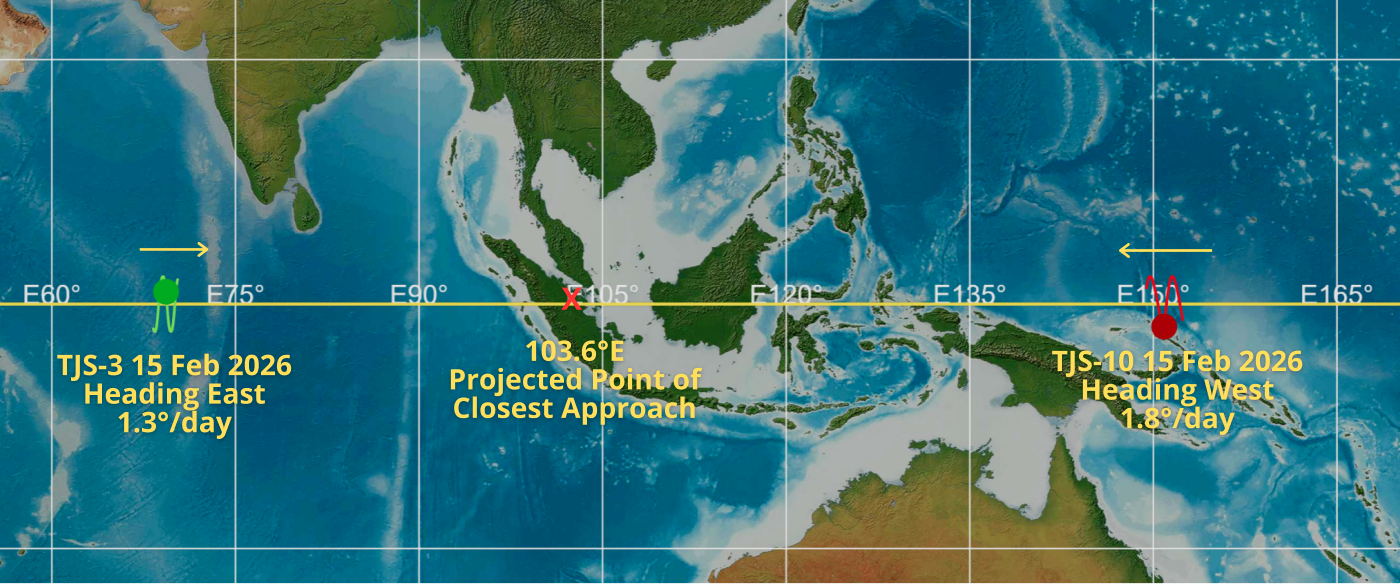
15 Feb 2026: As noted in the last edition of the Flash, on 3-4 Feb Chinese space operators increased the SMA of TJS-10 (58204) and initiated a 1.8°/day westward drift. Interestingly, on 7 Feb 2026 China decreased the SMA of TJS-3 (43874) ~122.6km to initiate an eastward drift. China subsequently increased TJS-3’s SMA ~20km, but TJS-3 remains below the GEO belt and with a ~1.3°/day eastward drift. In their current orbits TJS-10 and TJS-3 are closing with one another at a rate of 3.1°/day. Assuming they maintain their current orbits (a big assumption) the two satellites will have a point of closest approach in mid-March over 103.6°E longitude.

Recall that TJS-3 and TJS-10 operated in vicinity of one another during TJS-10’s first year on orbit from Nov 2023 – Nov 2024. It appears China purposefully launched TJS-10 into a co-planar orbit with TJS-3 (TJS-3 also conducted minor plane change maneuvers prior to TJS-10 launch). Comparing their current orbital parameters TJS-10 and TJS-3 remain nearly co-planar. Their inclination values are separated by only 0.001° and RAAN by 0.019°.

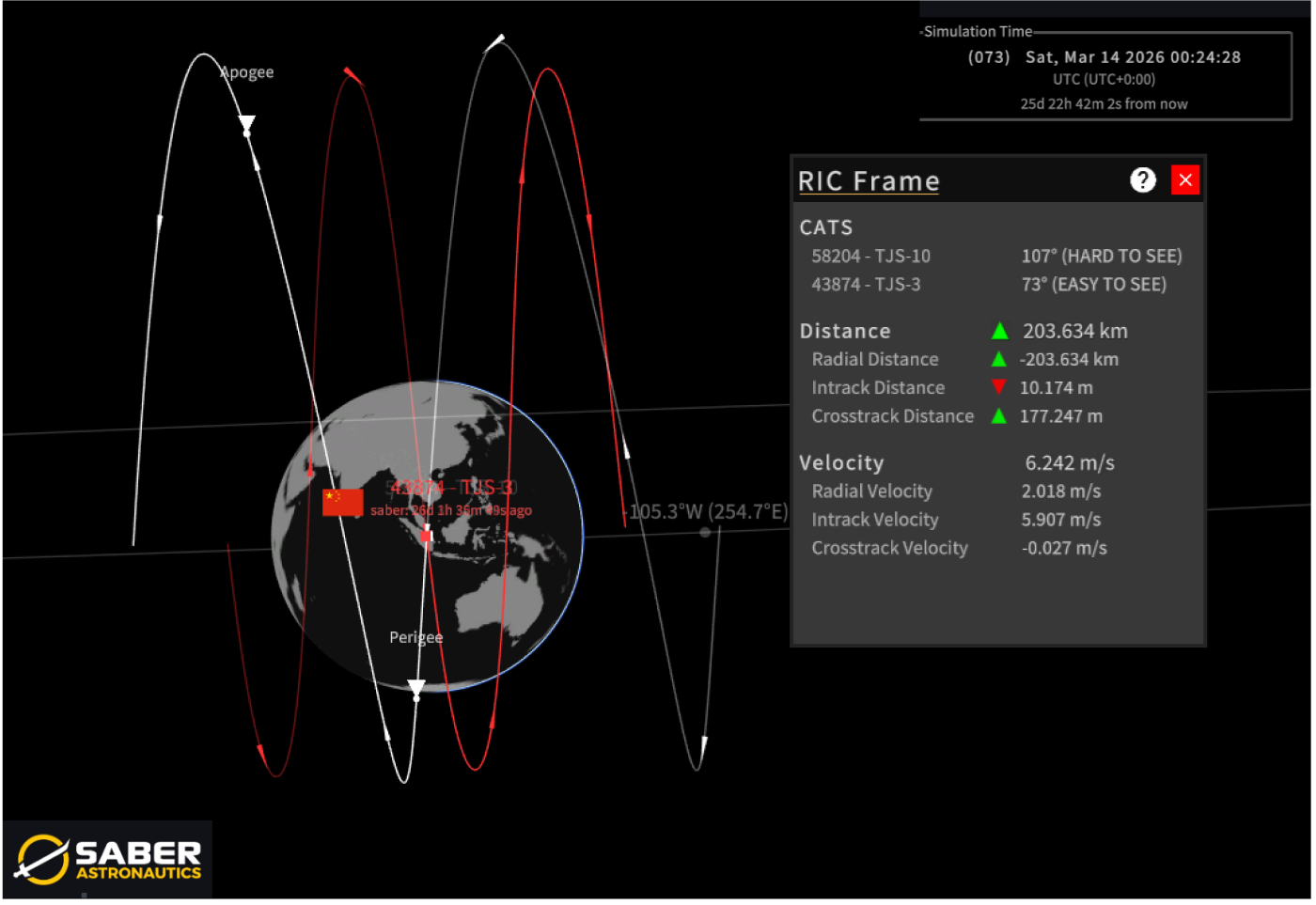
Propagating their current orbits forward to mid-March the two satellites will be separated primarily in the radial-track due to a .001 difference in orbit eccentricity (.001) and a 135.2° difference in argument of perigee values. Without adjusting either orbital element the two satellites will be separated by ~203km in the radial track, compared with <1km in-track (SMA) and cross-track (inclination/RAAN) separation distances. If (and apologies for all of the assumptions here) China intends to conduct RPO between TJS-3 and TJS-10 they will likely follow the RPO playbook described by Jack Anthony and begin to “shape-match” the two orbits between now and mid-March.

I’ll be watching for adjustments in the eccentricity values (radial track maneuvers) for both TJS-3 and TJS-10 should they continue on their current trajectories. Timed correctly these maneuvers will shrink the argument of perigee differences and effectively match the orbit shapes of TJS-3 and TJS-10.
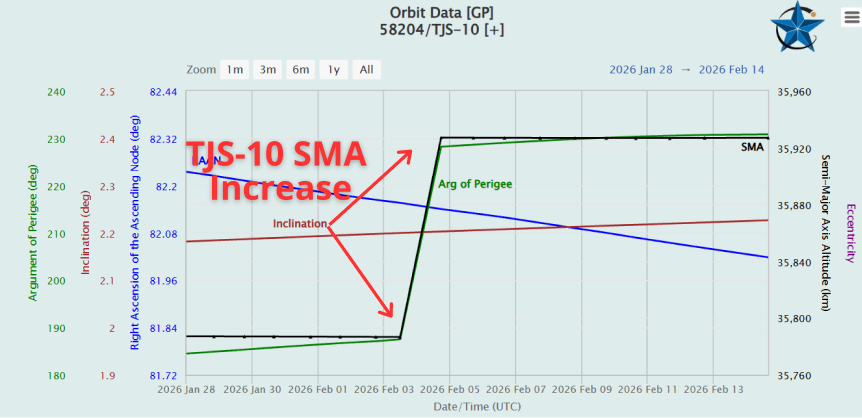
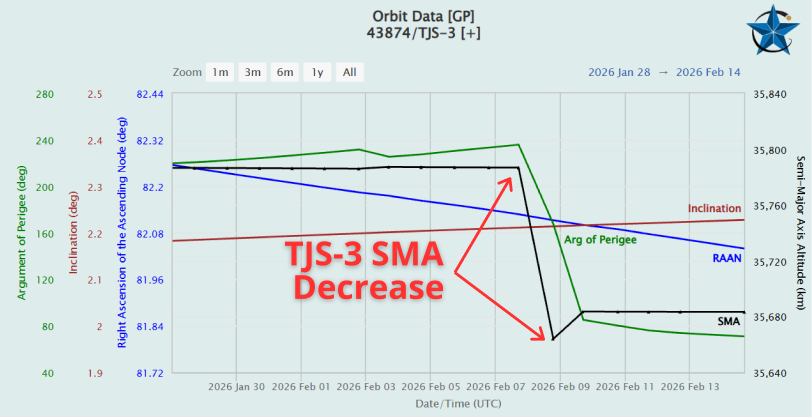
28 Jan -14 Feb Orbital History of TJS-10 (Left) and TJS-3 (Right) TJS-10 Increased SMA 3-4 Feb and TJS-3 Decreased SMA 7-8 Feb 2026 Inclination and RAAN Values Are Nearly Identical China will need to adjust Arg of Perigee to Conduct RPO (celestrak.org)

Ides of March? TJS-3 & TJS-10 Head Toward One Another

15 Feb: TJS-3 and TJS-10 Heading Toward One Another (spacemap42.com)

Into the Merge: Projected Point of Closest Approach in mid-March 203km Radial Separation, 0.01km Intrack Separation, & 0.18km Crosstack Separation (saberastro.com)

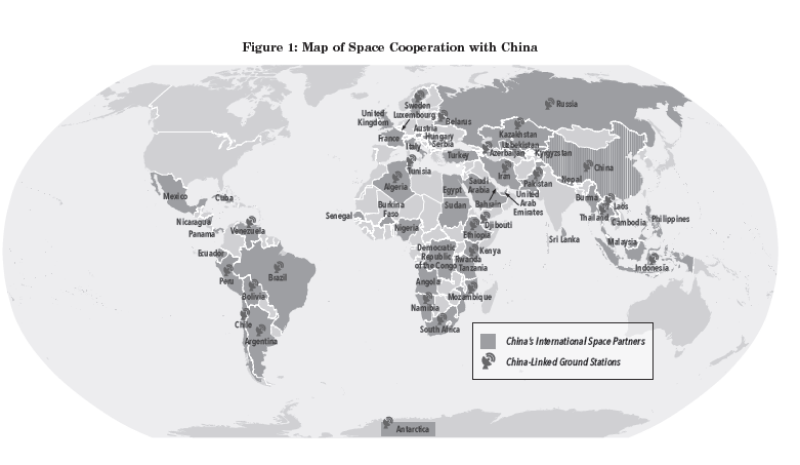
Nov 2025: The U.S.-China Economic and Security Review Commission (USCC) released its 2025 Annual Report to Congress on November 18, 2025, offering 28 bipartisan recommendations to address rising economic and national security threats. The commission dedicated an entire chapter of the report to “China’s Ambitions to Dominate Space.” I particularly appreciated the focus on the potential economic impacts to the rise in China’s space capabilities. The entire chapter is 58 pages and worth your time, you can find it here. For our visual learners…watch excellent interview hosted by (Friend of the Flash) Clayton Swope here.

Excerpts:
  • “Beijing views space as a warfighting domain and it seeks to achieve space superiority as a cornerstone of its broader effort to establish information dominance”
  • “China has rapidly developed, deployed, & operationalized advanced capabilities in space launch, satellites, and ground-based infrastructure”
  • “People’s Liberation Army (PLA) is rapidly expanding its space- and ground-based assets to enhance its battlespace awareness, operational coordination, and capacity for force projection.”
  • “Over the past decade, China has launched more than 1,000 satellites, dramatically increasing its capacity for persistent surveillance, communications, and precision targeting in support of long-range strike systems.”
  • “China has harnessed its ambitious space program to deepen relations with developing countries and expand its space architecture in support of military, commercial, and broader strategic gains.”
  • “(China) is now seeking to reshape international space governance, influence the development of technical standards, and displace the United States as the world’s premier space power.”
  • “The expansion reflects China’s broader strategy to achieve space superiority and strengthen its ability to use long-range precision weaponry to target and disrupt the flow of U.S. forces in the Indo-Pacific.”
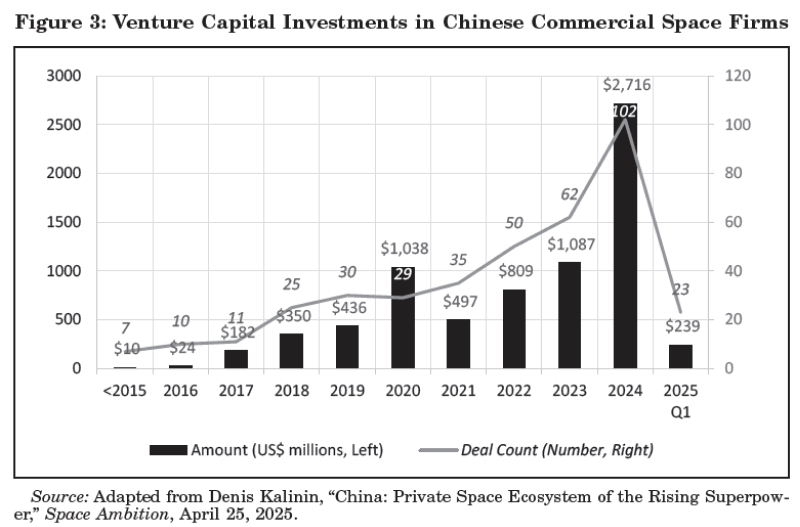
  • “In just ten years, China has dramatically transformed an almost non-existent commercial space sector into a thriving, state-orchestrated startup ecosystem.”
  • “If the United States cedes leadership, China is poised to advance a state-driven, opaque governance model that could embed long-term global reliance on its systems and standards.”
  • “Under General Secretary of the Chinese Communist Party (CCP) Xi Jinping, space exploration has been closely tied to the ‘China Dream’ of national rejuvenation with high-profile missions—such as lunar sample returns and the construction of a space station—used to showcase Party leadership, reinforce domestic confidence, and signal China’s rise as a global scientific and technological power.”
  • “China’s aspiration is to create an integrated, resilient network that would automatically collect, integrate, and analyze information from ISR and PNT satellites and rapidly distribute it to weapon systems to provide the PLA with accurate, space-enabled targeting of U.S. forces using its long-range precision weapons”
15 Jan 2026: In a recent Satellite Markets and Research article, (Friend of the Flash) Blaine Curcio provided an excellent look a the rapidly evolving satellite communications market in China. Highlights below, read the entire article here.

– Excerpts:

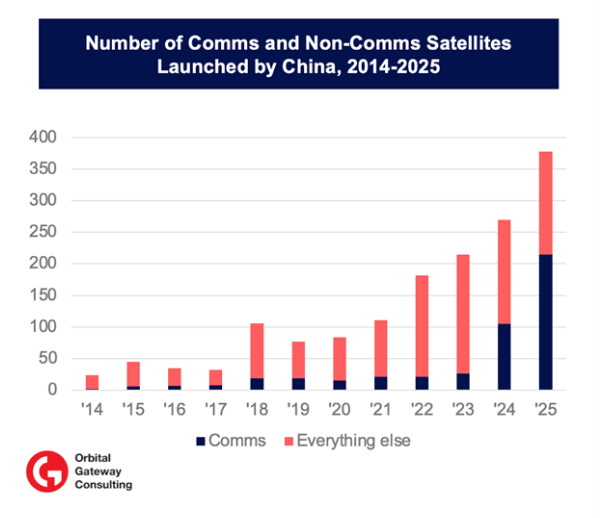
  • “2025 saw China launch an all-time high number of comms satellites at 215, exceeding the number launched in 2024 (105), as well as the total over the past six years (207 combined in 2019-2024).”
    • “192 of the 215 comms satellites were launched for SatNet (Guowang) and Thousand Sails (Qianfan)”
  • “China SatNet (Guowang) was the big story in the Chinese satcom market in 2025…in 2025 the company really started to get moving, with 16 batch launches of 126 satellites during the year, including a strong finish of 4 launches in December.”
  • “While SatNet is very cryptic about things such as satellite mass, we can make estimates based on the maximum payload mass of the rockets they are using, and the number of satellites per rocket, which yield an estimated mass per satellite of around 1 ton. At the same time, certain SatNet suppliers are less tight-lipped than the company itself, so we know that most if not all SatNet satellites launched in late 2024 and 2025 are equipped with laser communications payloads, sourced from several different suppliers.”
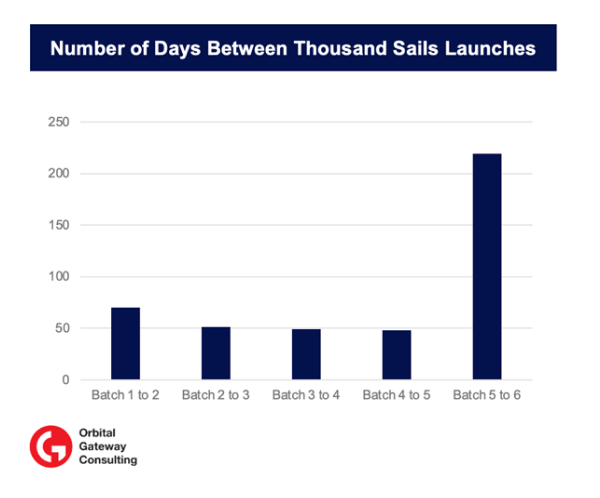
  • “2024 was a big year for Thousand Sails (Qianfan) and constellation operator SpaceSail, with several batch launches, but as the year closed out, cracks were starting to appear in the façade. Orbital parameters for the first batches of satellites looked shaky: around 15 of their first 54 satellites were not ascending to their target orbit properly due to thruster issues.”
  • “After a successful first quarter of 2025 that included launching 36 more satellites, SpaceSail has started to sputter, with time between launches rocketing up after their 5th launch.”
  • “SpaceSail did make some meaningful commercial progress in 2025. As of the end of the year, SpaceSail has international presence in at least 7 countries, plus a very intriguing MoU with Airbus to integrate Thousand Sails with Airbus’s HBCPlus IFC offering, likely in Mainland China.”
  • “In the more traditional GEO comms space, ChinaSat launched 3 fairly vanilla satellites in ChinaSat-10R (replacement for ChinaSat-10), ChinaSat-3B, and ChinaSat-9C, while ramping up for the launch of the ChinaSat-27 HTS in 2026. Overall, however, China Satcom is likely in an uncertain spot: they have no stake in China’s LEO ambitions that are going to disrupt their market, and as an SOE, their toolbox to do innovative, risky things like buying small GEOs is limited.”

30 Jan 2026: Jamestown.org published an article detailing Chinese analysis of the Russia-Ukraine Conflict. Author Sunny Cheung, concludes Chinese writings point to three overarching lessons: 1) the need for indigenous LEO satellites networks such as Starlink; 2) development of resilient Position Navigation and Timing (PNT); and 3) integration of space-cyber-electromagnetic counterspace operations. Find the entire article here.


Excerpts:

  • “Researchers at military institutions describe the decisive advantage that satellite systems have provided Ukraine as “asymmetric transparency” (不对称透明), in which Ukraine is able to continuously observe Russian forces, while Russia does not have an equivalent capability.”
    • “U.S. intelligence support…has given Ukraine systemic advantages in strategy, tactics, situational awareness, communications, intelligence collection, and logistics. This has placed Russian forces in a condition of persistent exposure, while Ukraine has only been ‘semi-transparent’ (半透明) to Russian observers.”
  • “traditional counterspace approaches centered on hard-kill anti-satellite weapons are economically inefficient and politically escalatory, prompting a doctrinal shift toward soft-kill measures targeting networks, terminals, and services.”

Commercial Image of Russian Convoy in early 2022 (top) Ukrainian Use of Starlink (below) (spacenews.com, economist.com)

  • “If a satellite constellation’s combat value depends on its integration with ground terminals, gateways, and user applications, then the center of the infrastructure may shift away from the satellites themselves. The operationally salient targets become terminals, control links, and any systems that manages spectrum and data.”
  • “Russia’s invasion of Ukraine marks the first large-scale conflict in which commercial satellite systems—especially low-Earth orbit (LEO) communications and commercial remote sensing systems—have functioned as core battlefield infrastructure rather than auxiliary support.”
  • “Chinese military and defense-technology writers have treated the war as a stress test of modern space-enabled warfare, especially the fusion of military space assets with commercial satellites…Satellites are no longer a niche enabler sitting behind air, land, and maritime operations. They are increasingly framed as the “foundation” (底座) of combat power, supporting command and control (C2), precision strike, intelligence, surveillance, and reconnaissance (ISR), battlefield connectivity, and even the public information environment.”

China: Space in Ukraine Conflict continued

  • “Starlink’s wartime role has evolved from an information channel into a strategic resource. One analysis describes how Starlink ‘leapt’ (跃升) beyond connectivity into a broader strategic lever affecting operational tempo and resilience”
    • “the constellation’s “software-defined architecture” (软件定义) allows SpaceX to rapidly modify waveforms, routing, and terminal behavior. This enables rapid mitigation of jamming and cyber interference, but it expands the system’s cyberattack surface, making cybersecurity and system hardening increasingly central to space combat effectiveness (Liu et al., 2023)…In this view, ‘satellite internet’ (卫星互联网) is a contested operational environment, and its resilience depends on cybersecurity as much as orbital mechanics.”
  • “PLA-linked writers increasingly stress cyber-electromagnetic operations…as they offer a soft-kill option for paralyzing the satellite network…suppressing Starlink satellites through layered denial—jamming, cyber intrusion, terminal geolocation, and disruption of ground architecture—is the most effective form of countermeasure…kinetic anti-satellite strikes are costly, escalatory, and technically difficult, while service denial can be easier and safer.”

(editor’s comment: please see next article from Dr Beavers regarding China Development of High Powered Microwave anti-satellite weapons).

  • For PLA observers, the satellite layer in Ukraine is also about weapons effectiveness, and not just ISR support. In particular, weapons technology analysts focus on how satellites enable precision strike and unmanned attack chains.
  • “For PLA planners, the implied lesson is that the decisive factor in weapons effectiveness is not the missile or shell, but the end-to-end guidance and targeting system. As a result, contesting or protecting satellite-derived PNT will proportionally shape strike outcomes under high-intensity electromagnetic opposition.”
  • “For PLA planners, one salient lesson is not simply the need to develop more satellites. It is the need to build an end-to-end warfighting capability around satellites. This requires resilient terminals, agile network operations, rapid reconfiguration, and counter-countermeasures.”
  • “Space support can no longer be treated as a specialized rear-area function, but must be viewed as a frontline contest—one that links orbital systems to industrial resilience, to commercial ecosystems, and to the politics of information.”

CHINA: New Development of High Powered Microwave

By Dr. Larissa Beavers

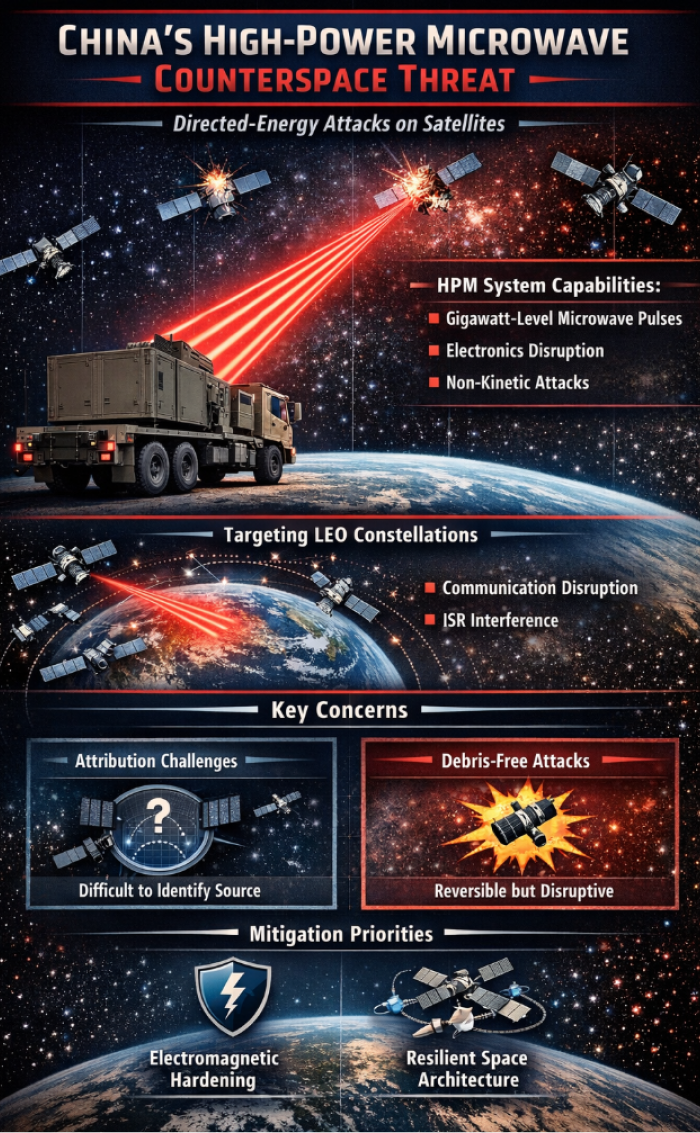
5 February 26: NDTV reported China’s development of a high-power microwave (HPM) system, known as the TPG1000Cs, reflects continued investment in directed-energy counterspace capabilities intended to disrupt satellites through electromagnetic effects rather than physical destruction. Asia Times reporter Gabriel Honrada reports the system is described as generating sustained high-power microwave pulses capable of degrading satellite electronics, particularly in proliferated low Earth orbit constellations such as Starlink that support communications and ISR functions. This development highlights a broader shift toward non-kinetic counterspace options that avoid debris while enabling temporary or persistent denial of space services, increasing challenges for attribution, and reinforcing the need for electromagnetic hardening and resilient space architectures.
  • Gigawatt-level microwave output designed for electronic disruption The system reportedly aggregates multiple microwave sources to generate extremely high peak power levels capable of inducing currents in satellite electronics, potentially causing temporary shutdowns, degraded performance, or permanent component damage.
  • Targeting proliferated LEO architectures rather than single satellites– Large constellations operating at lower altitudes, such as Starlink, present predictable orbital passes, making them more susceptible to repeated electromagnetic exposure during overhead transit windows.
  • Mobile or distributed deployment – The system’s described configuration suggests it could be fielded on ground vehicles, ships, or space platforms, allowing flexible positioning to exploit satellite orbital geometry and engagement timing.
  • Performance: It can deliver 3,000 high-energy pulses in a single session and demonstrated over 200,000 pulses, showing high stability and reliability.
  • The breakthrough, reported in the Chinese Journal High Power Laser and Particle Beams in January 2026, represents a significant advancement in ASAT capabilities

China: HPM Threat AI Generate Graphic

Pics o’ the Fortnight!

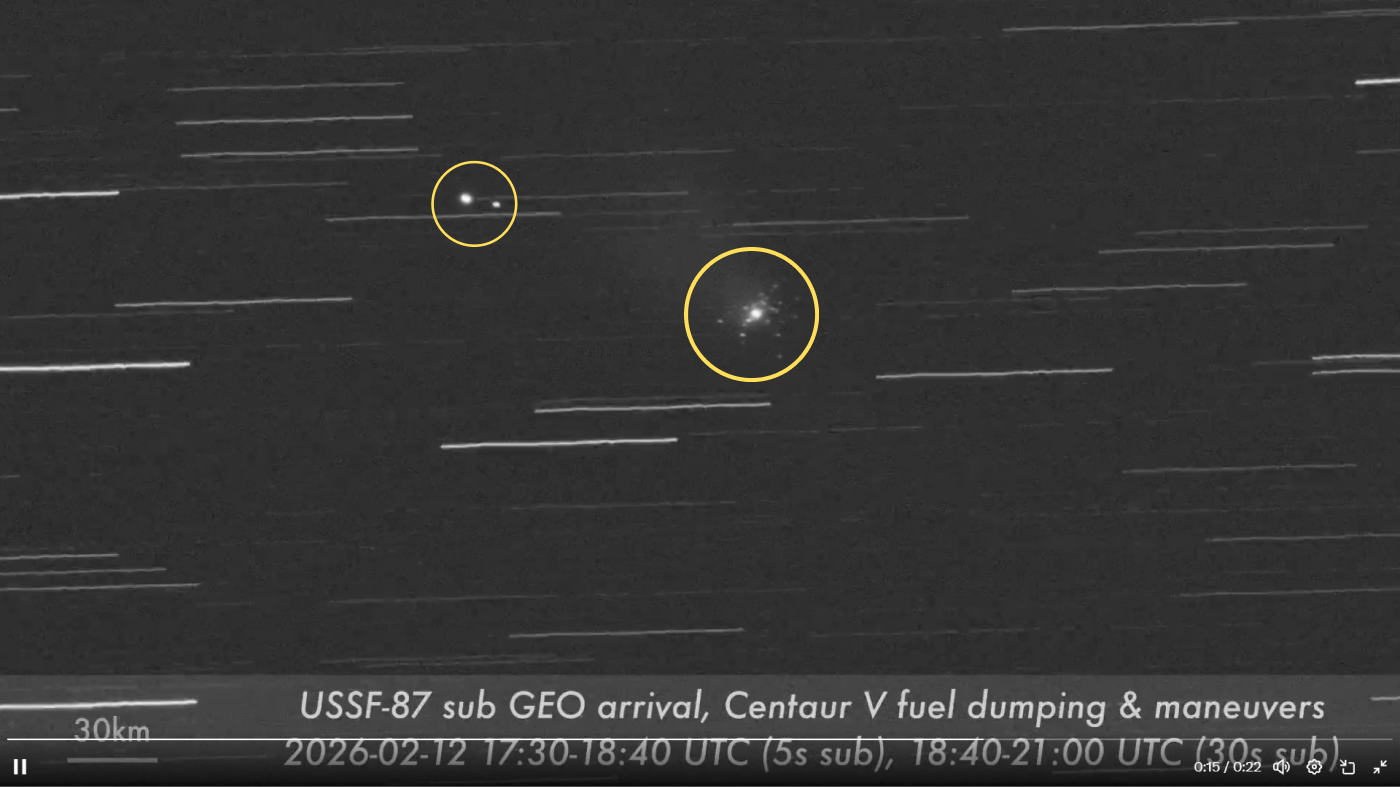
12 Feb: USSF-87 Centaur V upper stage post separation. Centaur seen dumping fuel while two GSSAP Satellites Proceed to their Operational Orbits. Watch Video. (@mickeywzx via X)
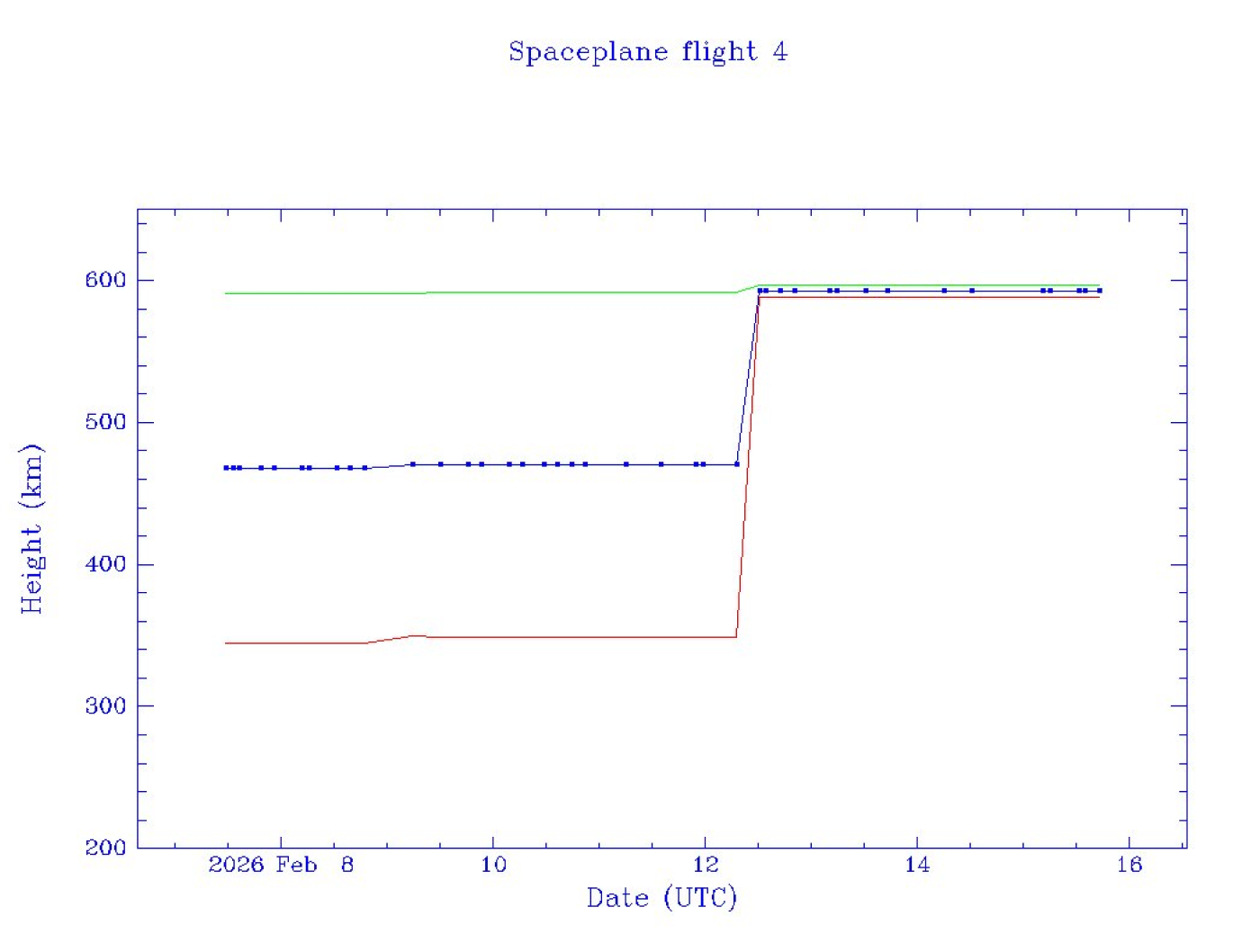
12 Feb 2026: The Chinese spaceplane maneuvered from a 349 x 592 km orbit to a circular 588 x 597 km orbit at about 0050 UTC. (@planet4589 via X)
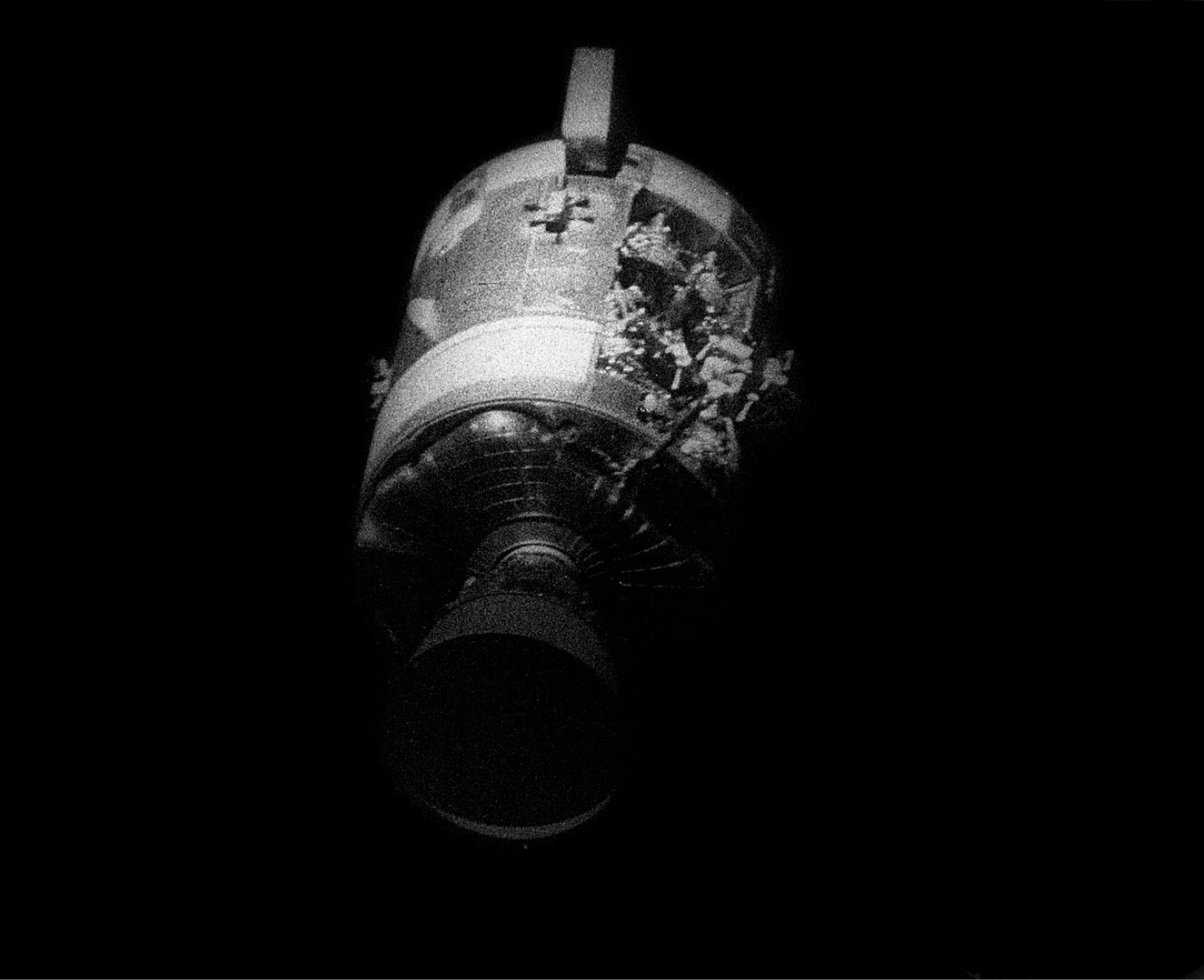
Pics o’ the Fortnight!

Image of the Damaged Apollo 13 Command Module 
(@aki_jp2020 via X)
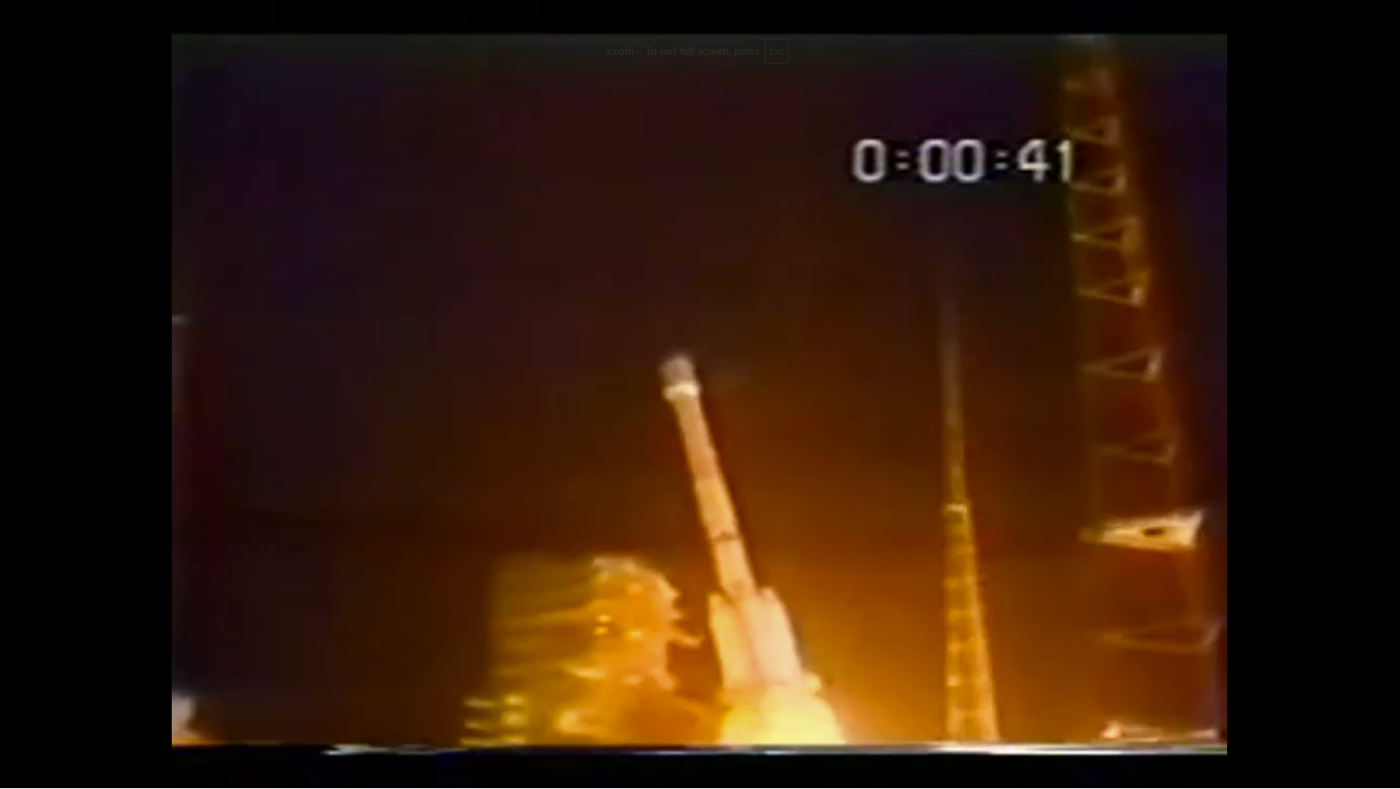
15 February 1996. China launched a Long March 3B rocket, carrying Intelsat 708 from Xichang. The rocket quickly lost control & crashed into a rural town after lift-off, resulting in a substantial but unconfirmed number of civilian casualties. Watch Video.(@ron_eisele via X)

Pics o’ the Fortnight!

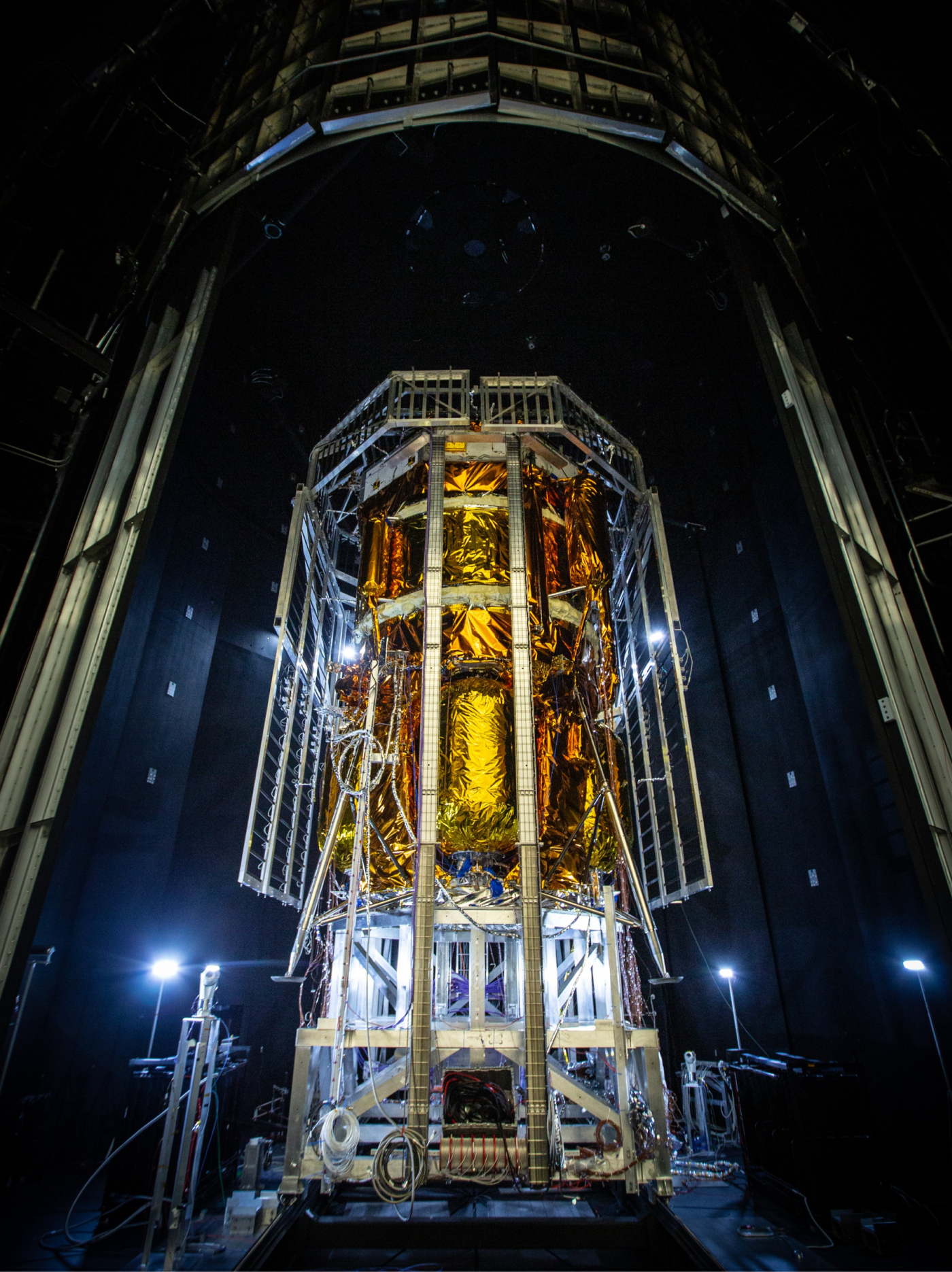
Blue Moon Lunar Lander Preparing for Flight
(@blueorigin via X)

All content is considered Integrity ISR Proprietary Information and may not be copied or distributed without written consent from Integrity ISR, LLC.